Mounir Fatmi b. 1970

Mounir Fatmi (b. 1970, Tangier, Morocco) works with installation, sculpture and mixed media to explore the relationship between technology, memory and systems of communication. Using materials such as antenna cable, typewriters and VHS tapes, he develops what he describes as an experimental archaeology that questions the world and the role of the artist in a society in crisis. Working through a trinity of Architecture, Language and Machine, his practice examines the limits of memory, language and communication while reflecting on obsolete media and their uncertain future. His work engages with the history of technology and its influence on popular culture, and can be understood as the construction of future archives in the making. Fatmi studied at the Academy of Arts in Rome, the Casablanca Art School and the Rijksakademie in Amsterdam. Fatmi has exhibited at institutions such as the Centre Pompidou, Paris; the Brooklyn Museum, New York; MAXXI, Rome; Mori Art Museum, Tokyo; Mathaf, Doha; the Victoria & Albert Museum, London; and the Migros Museum, Zurich. His work is held in public and private collections including the Centre Pompidou, Paris; the Stedelijk Museum, Amsterdam; the Fondation Louis Vuitton, Paris; Mathaf, Doha; the Art Gallery of Ontario, Toronto; and the Brooklyn Museum, New York.
-
 Inside the Fire Circle
 -
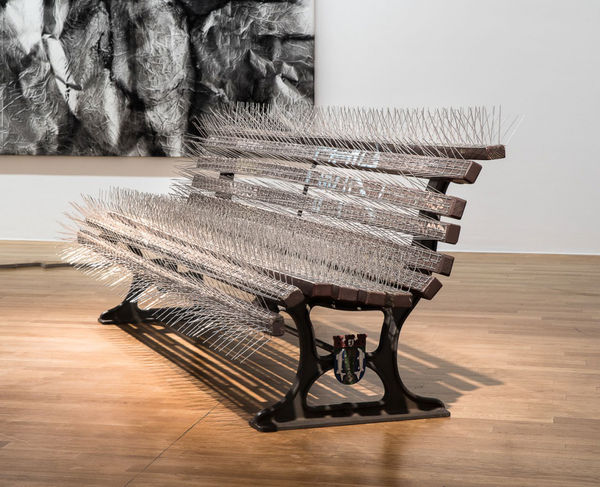
Brainteaser For A Moderate Muslim, 2009
-
Around the Square 17, 2018
-
Around The Square 18, 2018
-
Calligraphy of the Unknown 13, 2019-2020
-
Calligraphy of the Unknown 14, 2019-2020
-
Calligraphy of the Unknown 16, 2019-2020
-
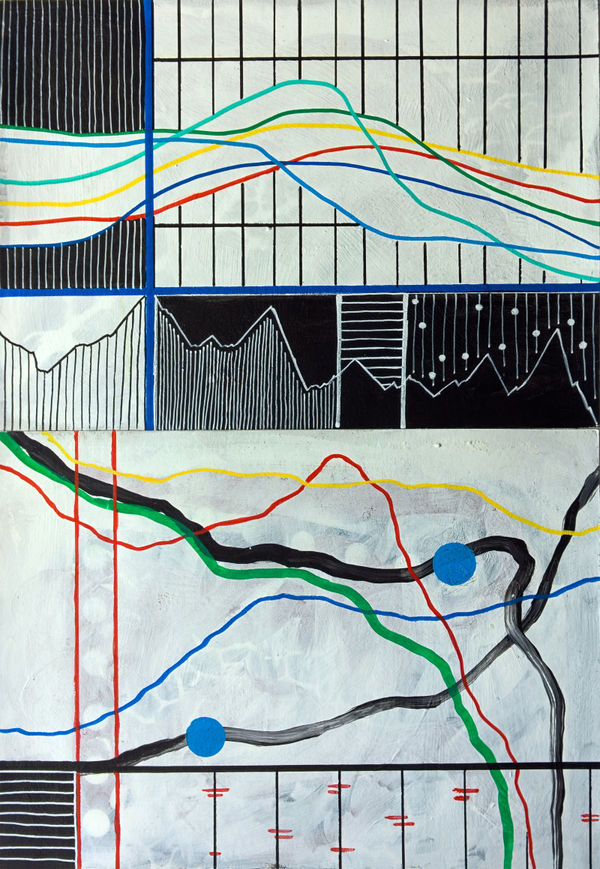
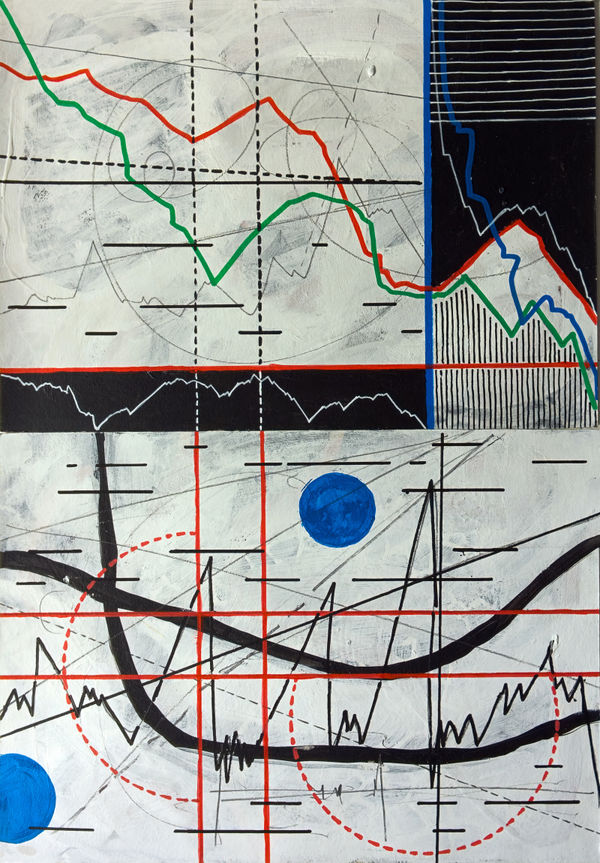
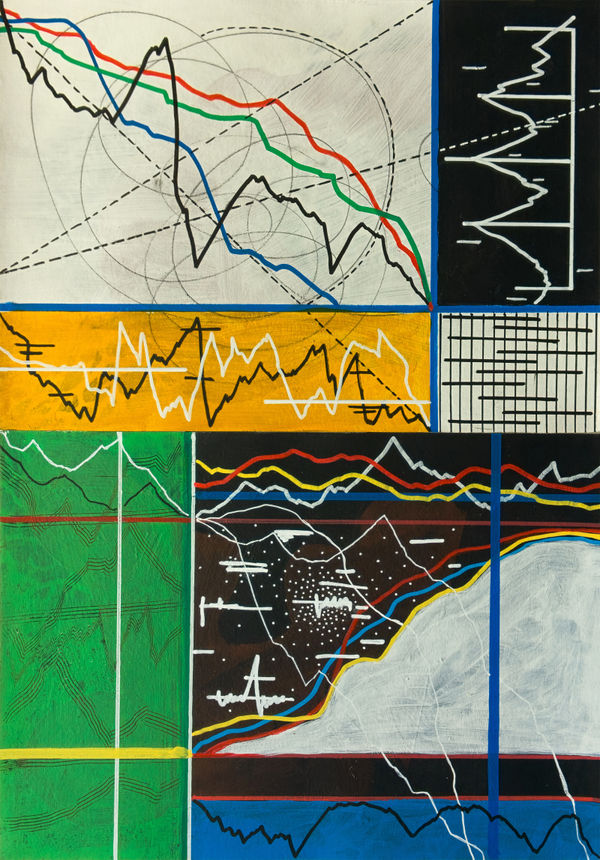
Modern Times 91, 2024 - 2025
-
Modern Times 45, 2024 - 2025
-
Modern Times 41, 2024 - 2025




-
Mounir Fatmi Features at Biennale de Bamako
Bamako Enounters / Rencontres de Bamako 16 Nov 2024 - 15 Jan 2025 BiennialsMounir Fatmi's photographic triptych Calligraphy of Fire has been selected for this year's Bamako Biennale, where it will be showcased in its large 70 x 105 cm version. The 14th...Read more -
Mounir Fatmi at Bienal Internacional de Poesía Experimental de Argentina - POSVERSO
18 Oct - 20 Dec 2024POSVERSO is a biennial focused on the multiple practices of intersemiotic poetry, which is generated by Hotel DaDA Base of Mail Art and Experimental Poetry, in the city of Junín,...Read more -
Mounir Fatmi at Colorado Springs Fine Arts Center at Colorado College
ALHAMDU - MUSLIM FUTURISM 13 Sep 2024 - 11 Jan 2025Curated by Yusuf Siddiquee ALHAMDU - MUSLIM FUTURISM at Colorado Springs Fine Arts Center will feature two works by Mounir Fatmi; Mixology (2010) and Modern Times (2010). ALHAMDU | MUSLIM...Read more -
Mounir Fatmi at the Pola Museum of Art in Japan
16 Dec 2023 - 19 May 2024 MuseumsMounir Fatmi participates in the group exhibition 'Modern Times in Paris 1925 - Art and Design in the Machine Age', curated by Yo Shoji at the Pola Museum of Art,...Read more -
Under Construction Part II
Group Exhibition 5 Jul - 22 Sep 2021 GalleryUnder Construction Part II expands on the notion of the uncompleted project, the work in progress, presenting a series of evolving, paradoxical, overlapping paradigms, where histories are re-evaluated, cultural artefacts...Read more -
Under Construction
Group Exhibition 31 May - 26 Jun 2021 GalleryUnder Construction , a group exhibition held in two parts, presents a series of incomplete, evolving, overlapping, paradoxical concepts - building structures, formulating symbols, manufacturing appearance, fabricating histories and reconstituting...Read more -
Our world is burning
Mounir Fatmi at Palais de Tokyo, Paris 21 Feb - 13 Sep 2020 MuseumsExhibition conceived in collaboration with the MATHAF. The exhibition Our World is Burning offers a fully political view of international contemporary creation seen from the Gulf, where wars and diplomatic...Read more -
Scripted Reality
10 Hanover Street | London W1S 1YQ 26 Jun - 3 Jul 2018 GalleryLawrie Shabibi is excited to announce “Scripted Reality ”, a group exhibition of six artists to be shown at 10 Hanover. This is Lawrie Shabibi’s first exhibition outside our gallery...Read more -
Inside the Fire Circle
Mounir Fatmi 8 Mar - 15 May 2017 GalleryLawrie Shabibi is pleased to present “Inside the Fire Circle” Mounir Fatmi’s first solo exhibition in Dubai. The exhibition expands on the artist’s interest in the circle, its form and...Read more -
'Flags' at the Boghossian Foundation
22 Jan 2023 MuseumsMounir Fatmi's The Lost Springs (2017) is currently on view at the Flags group exhibition at The Boghossian Foundation in Brussels, Belgium. Curated by Alfred Pacquement, Flags explores the question...Read more




-

Mounir Fatmi
180° Behind Me (2018), Göteborgs Konsthall, Sweeden June 20, 2018Göteborgs Konsthall is proud to present the first major Scandinavian solo exhibition with Moroccan-born artist Mounir Fatmi. Engaging in notions of the written word –...Read more -

Mounir Fatmi
Jameel Prize 3, V&A London January 11, 2018Morocco-born Mounir Fatmi lives and works between Paris and Tangier. He creates videos, installations, drawings, paintings and sculptures that directly address the current events of...Read more